
The Future of Space Exploration: Trends, Technologies, and Missions to Watch
Space exploration is entering a golden era, driven by groundbreaking innovations and global collaboration. From Mars colonization to commercial spaceflight, humanity’s quest to explore the cosmos is accelerating. In this article, we dive into the trends, technologies, and missions shaping the future of space exploration.
Current Trends in Space Exploration
- Mars Colonization: NASA’s Artemis program and SpaceX’s Starship aim to establish a human presence on Mars by the 2030s. Learn more about Mars missions reshaping interplanetary travel.
- Lunar Bases: The Moon is a stepping stone for deep-space missions. Projects like NASA’s Lunar Gateway and ESA’s Moon Village plan to create sustainable habitats.
- Global Collaboration: Partnerships between agencies (NASA, ESA, JAXA) and private companies (SpaceX, Blue Origin) are reducing costs and accelerating progress.
Emerging Technologies Revolutionizing Space Travel
- Reusable Rockets: SpaceX’s Falcon 9 and Starship are slashing launch costs, making space access more economical.
- AI and Robotics: Autonomous rovers like Perseverance and AI-driven satellites enhance data collection and mission efficiency.
- In-Situ Resource Utilization (ISRU): Technologies to harvest water ice on the Moon or Mars could fuel missions and sustain colonies.
Key Missions to Watch in 2024 and Beyond
- Artemis II (2024): NASA’s crewed lunar flyby will pave the way for a Moon landing in 2025.
- James Webb Space Telescope: Unlocking secrets of the early universe with unprecedented clarity.
- Venus Exploration: Missions like VERITAS and DAVINCI+ aim to study Venus’s atmosphere and geology.
The Rise of Commercial Spaceflight
Companies like SpaceX, Blue Origin, and Virgin Galactic are democratizing space access:
- Space Tourism: Suborbital flights for civilians are now a reality.
- Satellite Mega-Constellations: Projects like Starlink provide global internet coverage but raise concerns about space debris.
Challenges in Modern Space Exploration
- Radiation Exposure: Protecting astronauts on long-duration missions.
- Sustainability: Mitigating space debris and ethical resource extraction.
- Cost Management: Balancing ambitious goals with budget constraints.
The Future: Interstellar Travel and Beyond
- Breakthrough Starshot: A proposed mission to send nanocrafts to Alpha Centauri at 20% the speed of light.
- Space Tourism Expansion: Orbital hotels and lunar resorts could become mainstream by the 2040s.
- Search for Extraterrestrial Life: Missions to Europa and Enceladus seek signs of microbial life in icy oceans.
FAQ Section
Q: When will humans land on Mars?
A: NASA and SpaceX target the 2030s for crewed missions.
Q: What is the biggest barrier to space tourism?
A: High costs and safety concerns remain key challenges.
Q: How does space debris affect missions?
A: Debris risks damaging satellites and crewed spacecraft, prompting cleanup initiatives.
Conclusion
The future of space exploration is brighter than ever, blending innovation, ambition, and international cooperation. Stay updated on the latest breakthroughs by subscribing to SpaceNerve and exploring our in-depth guides.
Optimization Tips:
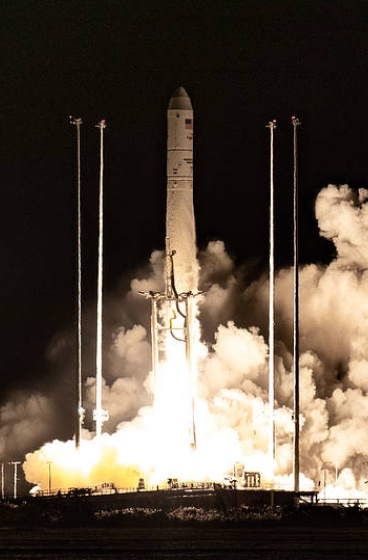
- Use alt text for images (e.g., “SpaceX Starship launch”).
- Include external links to NASA, ESA, and SpaceX for credibility.
- Target keywords: “space exploration,” “Mars colonization,” “future of space travel,” “commercial spaceflight.”
Join the conversation below: What space mission excites you most? Let us know!