NASA’s Watts on the Moon Challenge, aimed at propelling the nation’s lunar exploration objectives under the Artemis program by inviting U.S. innovators to create pioneering power transmission and energy storage solutions for extended Moon missions, will conclude on Friday, Sept. 20, at the Great Lakes Science Center in Cleveland.
“Astronauts will require uninterrupted, dependable power to sustain a presence on the Moon throughout the Artemis missions,” stated Kim Krome-Sieja, acting program manager for Centennial Challenges at NASA’s Marshall Space Flight Center in Huntsville, Alabama. “NASA has extensively developed power generation technologies. Currently, we aim to enhance these technologies for long-range power transmission and energy storage solutions that are capable of enduring the harsh cold of the lunar environment.”
The innovations crafted for the Watts on the Moon Challenge represent the inaugural power transmission and energy storage prototypes trialed by NASA in conditions mimicking the lunar surface’s severe cold and low atmospheric pressure. This marks a preliminary phase in preparing these technologies for eventual use on the Moon. The successful outcomes of this challenge could, for instance, lead to novel methods that enable batteries to endure frigid temperatures and enhance the robustness of power grids in Earth’s remote areas afflicted by extreme weather.
Media representatives and the general public are invited to the grand finale technology showcase and awards ceremony of the $5 million, two-phase competition. U.S. and international journalists wishing to cover the event must confirm their attendance with Lane Figueroa by 3 p.m. CDT on Tuesday, Sept. 17, at lane.e.figueroa@nasa.gov. NASA’s media accreditation policy can be found online. Public attendees can register by completing the provided form by Friday, Sept. 17.
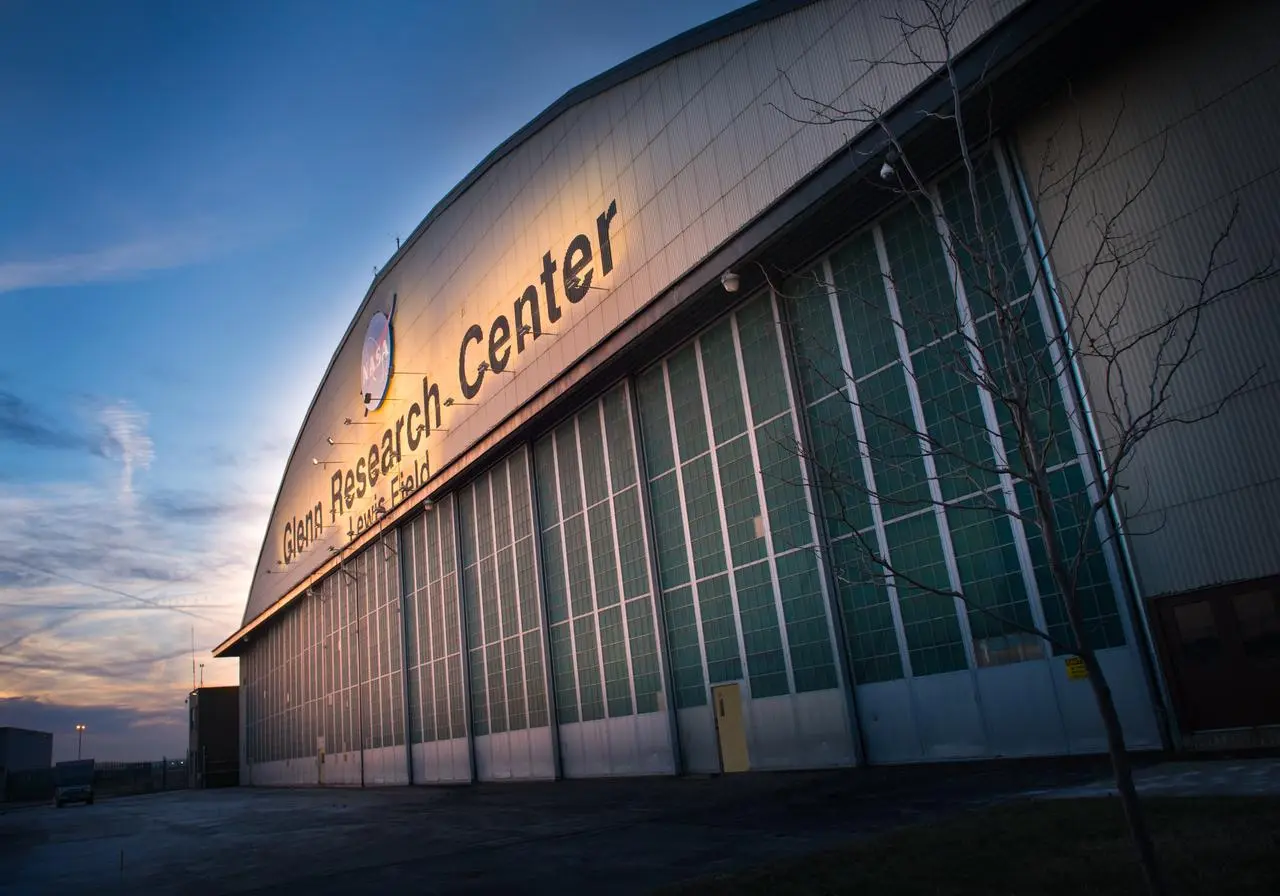
In the final round of the competition, the finalist teams honed their hardware and presented a complete system prototype for evaluation under simulated lunar conditions at NASA’s Glenn Research Center in Cleveland. The assessment replicated a demanding power system situation with six hours of solar daylight, 18 hours of darkness, and a distance of three kilometers from the power source for the user.
“Watts on the Moon was an exceptional competition to judge due to its distinctive mission scenario,” stated Amy Kaminski, program executive for Prizes, Challenges, and Crowdsourcing at NASA’s Space Technology Mission Directorate in Washington. “The hardware from each team underwent rigorous testing against challenging criteria and was required to function effectively within a lunar environment inside our advanced thermal vacuum chambers at NASA Glenn.”
Each finalist team was evaluated on the Total Effective System Mass (TESM), reflecting the system’s efficiency relative to its mass. At the awards ceremony, NASA will present $1 million to the team with the lowest TESM score, indicating their system had the highest efficiency in output-to-mass ratio during testing. The team with the second-lowest TESM score will be awarded $500,000. The ceremony will be streamed live on NASA Glenn’s YouTube channel and on the NASA Prize Facebook page.
The Watts on the Moon Challenge, a NASA Centennial Challenge, is spearheaded by NASA Glenn. The Centennial Challenges are managed by NASA Marshall and fall under the agency’s Prizes, Challenges, and Crowdsourcing program within the Space Technology Mission Directorate. For the administration of this challenge, NASA has partnered with HeroX.
